


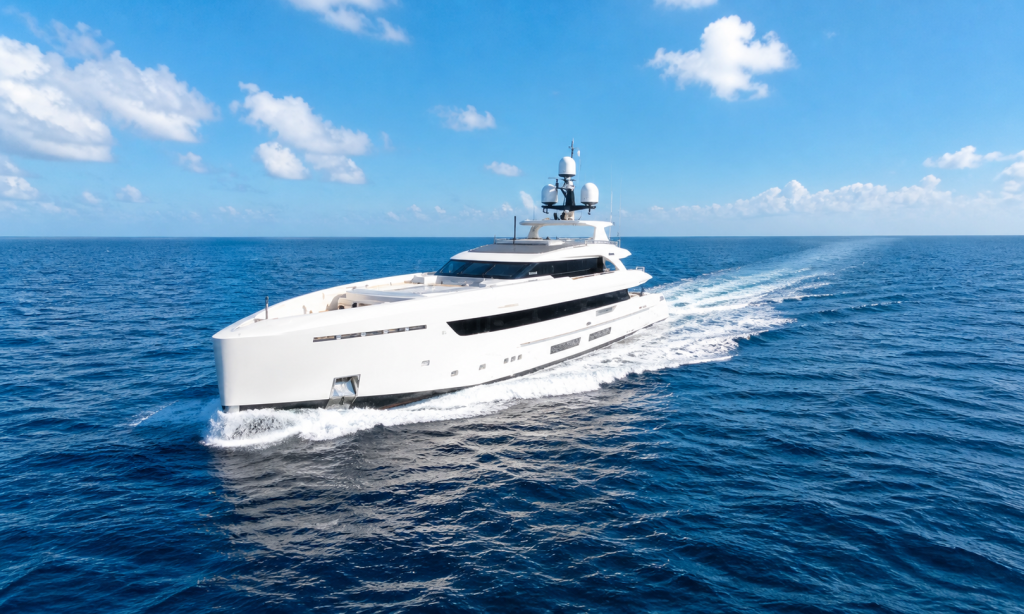
Some boat owners have done everything right. The vessel is meticulously maintained, the electronics are top-spec, the berth is in a well-run marina. The insurance policy? It’s there. Signed. Renewed every year. Largely unexamined.
That last part is the problem.
High-value vessels don’t fit neatly into standard marine products. The policies designed to serve the broader market weren’t built for this profile — and the gaps they carry are invisible right up until the moment you need to make a claim.
The Core Problem with Standard Policies
Most off-the-shelf boat policies settle total loss claims based on the vessel’s market value at the time of the incident — not the value declared when the policy was taken out. Depreciation applies, and the payout can fall well short of what the boat was actually worth. For context on how this connects to the most common mistakes in marine cover, see 6 Boat Insurance Mistakes That End Up Costing You More.
On a €50,000 boat, that shortfall may be manageable. On a €300,000 or €500,000 vessel, the same mechanism creates a gap that nothing else covers.
Agreed Value: Why It Matters
The alternative — and the standard for properly structured high-value marine cover — is agreed value. The insured sum is fixed upfront between owner and insurer, and locked in for the policy period. If there’s a total loss, that’s the number paid out. No depreciation adjustments, no valuation disputes after the fact, no surprises.
Agreed value versus market value is one of the most consequential distinctions in marine insurance, and one of the least understood by owners before they experience the difference firsthand.
Beyond Valuation: What Else Changes
A properly structured policy for a high-value vessel addresses more than just the hull. High-spec equipment — navigation electronics, premium audio-visual systems, custom installations — often exceeds standard sub-limits in ways that only become apparent at claim time. If the vessel is crewed, even seasonally, employer liability comes into play and requires a separate provision. And loss of use cover — the income or costs that arise when the boat is out of service during repairs — is rarely included in standard products but carries significant practical value for owners who use their vessels regularly.
More Targeted, Not Necessarily More Expensive
A policy built around a high-value vessel doesn’t automatically mean a disproportionate premium. It means cover that’s calibrated to what you actually own — correct valuation, appropriate sub-limits, and provisions that account for your specific vessel and how you use it. For a clear starting point on structuring the right cover, see How to Choose Boat Insurance: A Practical Guide.
In a Nutshell
- Standard policies use market value at the time of loss — not your agreed insured sum
- Agreed value locks in the payout figure and removes post-loss valuation disputes
- High-spec equipment, crew liability, and loss of use each require specific attention
- The right policy for a high-value boat is targeted — not necessarily more costly
FAQ
What is the difference between agreed value and market value? With agreed value, the vessel’s worth is fixed upfront and remains constant. With market value, the payout is based on the depreciated commercial value at the time of the loss — which can be significantly lower.
Is premium equipment (electronics, audio systems, custom fittings) covered under a standard policy? Often not adequately. Standard limits may not reflect the actual value of high-end equipment. This requires separate, tailored coverage.
If my vessel has a crew, what additional cover do I need? Employer’s liability cover. If you employ crew — even occasionally — this exposure is not covered by standard policies and requires specific provision.
What is “loss of use” cover and why does it matter? It covers the costs incurred when the vessel is out of action for repairs following a covered loss. For owners who use their boat intensively, this has very tangible value.
Contact us

