



Buying a boat involves a lot of decisions — and insurance tends to be the last one, squeezed in at the end, treated as a formality. That’s understandable. It’s also a mistake.
New boat owners consistently run into the same problems. Not because they’re careless, but because no one has walked them through how marine insurance actually works.
Think of this as that conversation.
1. Mandatory Insurance Doesn’t Cover Your Boat
Start here, because it surprises most people. The law requires civil liability cover — protection for damage you cause to others. It says nothing about your own vessel. If your boat is damaged in a collision, caught in a storm, or stolen, mandatory cover pays out nothing on your behalf. For a full picture of what’s included and what’s not, see Boat Insurance — What’s Actually Covered (and What Isn’t).
2. Price Is a Misleading Benchmark
Comparing quotes by price feels logical. It’s also misleading. Two policies at similar premiums can be very different in practice — different exclusions, different payout limits, different conditions that must be met before a claim is accepted. You won’t see those differences until you file a claim.
3. What You Declare Shapes What You Recover
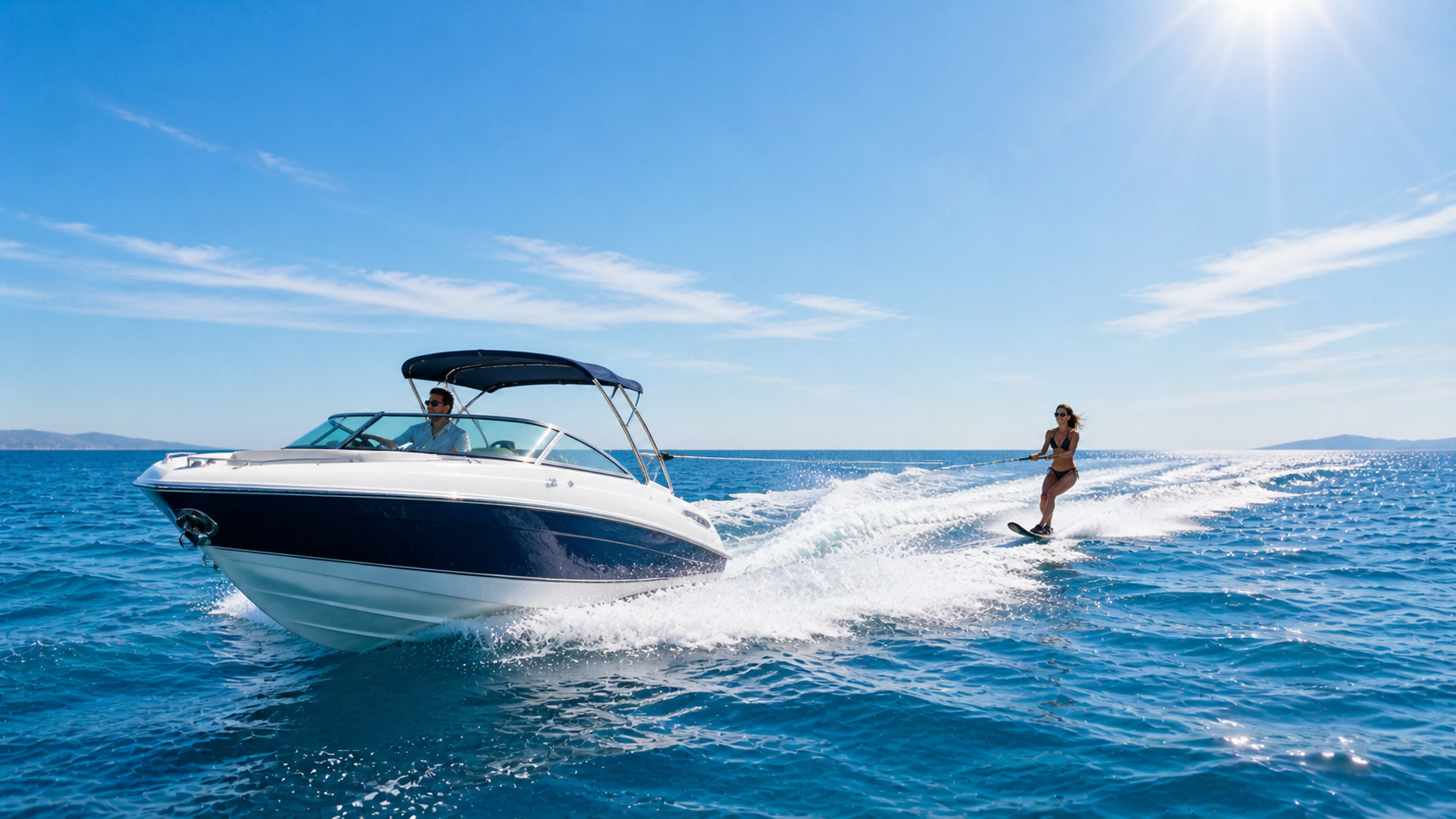
When you take out cover, you declare the vessel’s value and its intended use. Both have real consequences. Declare a lower value to reduce the premium and your payout in the event of a total loss drops to match. Use the boat for charter without updating your policy and your cover may be void for any trip where you’re carrying paying guests.
4. Most Damage Doesn’t Happen at Sea
New owners tend to think of risk as something that happens on open water. In practice, a large share of claims involve damage at the marina — from neighbouring vessels, from storms, or from mooring equipment. Trailer transport is another exposure that often goes uninsured. If these scenarios aren’t covered, you have a gap worth closing. The most common mistakes owners make here are covered in 6 Boat Insurance Mistakes That End Up Costing You More.
5. A Specialist Makes a Difference
Marine insurance is a specialist field. It works differently from car or home insurance, carries its own terminology, and the details matter far more than most people realise. If you want a straightforward framework for getting started, see How to Choose Boat Insurance: A Practical Guide.
In a Nutshell
- Mandatory cover protects others — not your boat
- Price doesn’t reflect the quality of cover; exclusions and conditions do
- Wrong declared value or use can reduce or invalidate a claim
- Marina and transport risks account for a significant share of real-world claims
FAQ
When should I insure the boat — before or after registration? Insurance must be in place before any lawful use in Greek waters. Arrange it alongside your other paperwork — not as an afterthought.
If the previous owner had insurance, does it transfer to me? No. Insurance does not transfer with the sale of the vessel. You need a new policy in your own name.
How often should I review my policy? At least once a year, or whenever there is a change in how you use the boat, where you sail, or the vessel’s value. A policy that fit last year may no longer be adequate today.
What does “sailing area” mean in a policy? It defines the geographic limits within which your cover is valid. If you sail outside those limits — for example, into foreign waters — you may not be covered.
Contact us

