



There’s no policy that works for every boat owner. A speedboat pushed hard across the Aegean each summer has different requirements than a charter sailing yacht or a RIB taken out a handful of times a year. Choosing the right cover means understanding your own situation first — and that starts with a few straightforward questions.
What Kind of Vessel Do You Have?
Vessel type drives risk profile, which drives policy structure. A high-powered motorboat carries different exposures than a sailing yacht, an inflatable, or a jet ski — each of which tends to sit in its own underwriting category. Multi-use vessels, or boats with unusual specifications, add another layer to what can be covered and on what terms.
What Is It Actually Worth?
The insured value isn’t just the purchase price. It should reflect the full picture: engine, electronics, onboard equipment, and any custom fittings. Underinsuring saves money now and costs significantly more later. If your vessel is high-value, this question deserves extra attention — see Your Boat Is Worth Over €200,000 — Does Your Insurance Know That?.
How Do You Use It?
The private/commercial distinction is one of the most important in marine insurance. Charter use — even occasional or seasonal — changes the risk profile substantially and needs to be declared. Getting this wrong isn’t just a technicality: it can result in a claim being rejected entirely.
Where Do You Sail?
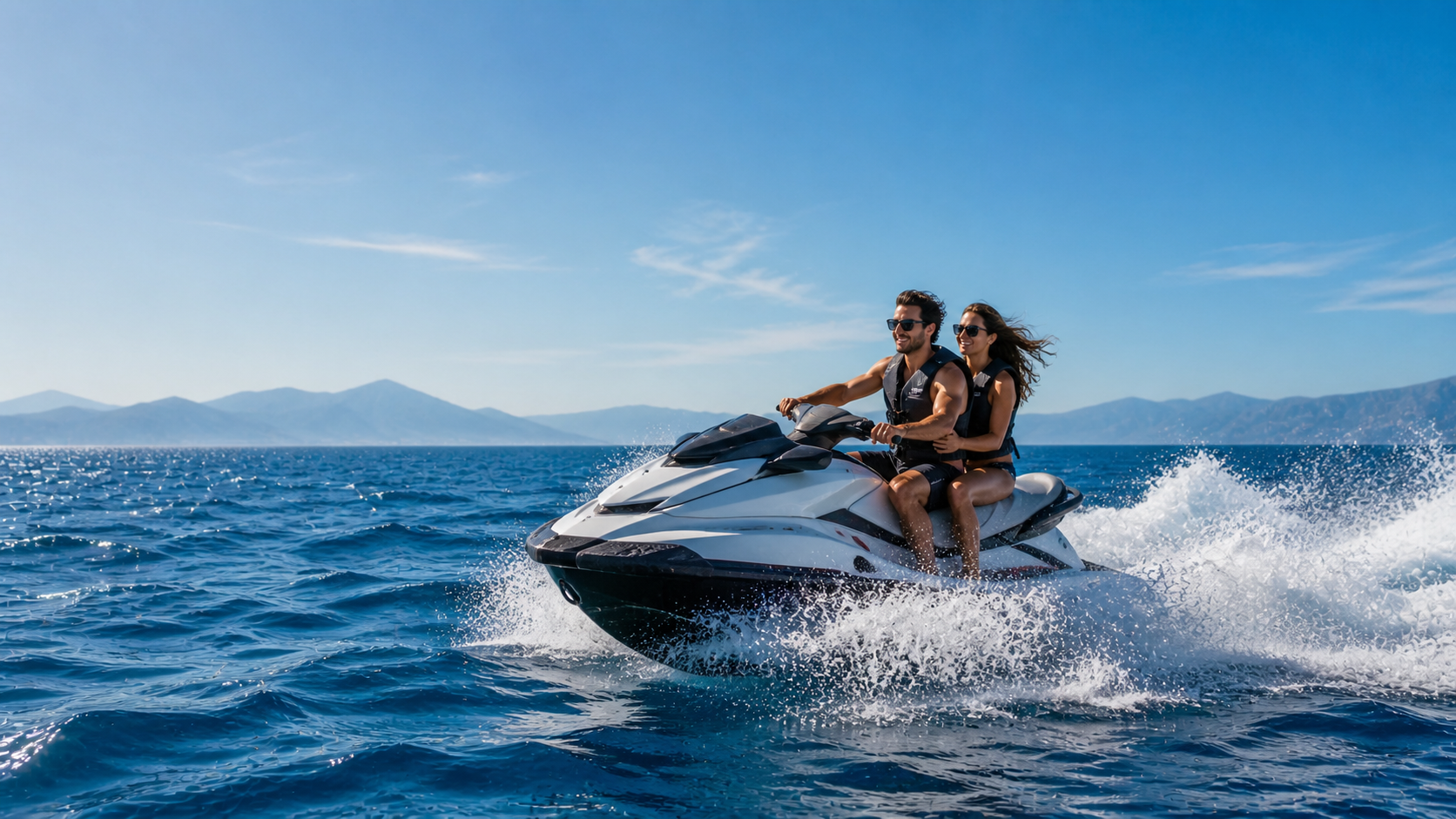
Cover doesn’t automatically follow the boat everywhere. Greek waters, the Mediterranean, and international routes each carry different requirements, different costs, and different terms. If your policy is limited to Greek waters and you sail to a Turkish or Italian port, you may be uninsured for the entire trip.
What Level of Cover Do You Actually Need?
Once you’ve answered the questions above, the right level of cover becomes much clearer. Mandatory civil liability is just the baseline — for what that baseline includes, see Boat Insurance — What’s Actually Covered (and What Isn’t). Add hull cover, theft, weather protection, and mooring/transport cover based on where you sail, how you use the boat, and what it’s worth. The combination should reflect your actual exposure, not a generic package.
In a Nutshell
- Vessel type determines your risk profile and shapes the policy
- Insured value must cover the full asset — engine, electronics, equipment
- Charter, private use, and sailing area each affect what cover you need
- The right policy comes from understanding your situation, not just comparing quotes
FAQ
Is a jet ski insured the same way as a sailing boat? No. Jet skis fall into a separate category due to their nature and usage, and carry a different risk profile.
What exactly should be included in the insured value of the vessel? The purchase price, onboard equipment, electronics, engine, and any additional fittings. If the value is underestimated, the payout will be proportionally lower.
If I sail in foreign waters, do I need different cover? Yes. If your policy only covers Greek waters, you are uninsured when calling at foreign ports. You need to check and extend your geographic limits accordingly.
When does the policy need to change if I start chartering? Immediately. Transitioning from private to commercial use — even seasonally — requires a corresponding policy amendment. Failing to update it risks a claim being denied.
Contact us

